
Research
Our research focuses on the fundamental mechanisms underlying the function and regulation of ion channels in the kidney and heart. We employ electrophysiological and molecular biological approaches to study renal and cardiac ion channels and their regulation by associated proteins.
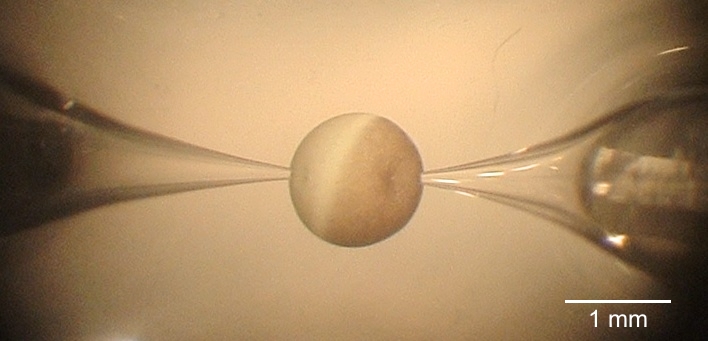
Research Focus
- Electrophysiology and molecular biology of renal and cardiac ion channels
- Channelopathies and regulation of ion channels by associated proteins
- Role of the epithelial sodium channel (ENaC) in the pathogenesis of arterial hypertension
- Dysfunction of cardiac ion channels in cardiac hypertrophy as a possible cause for arrhythmias
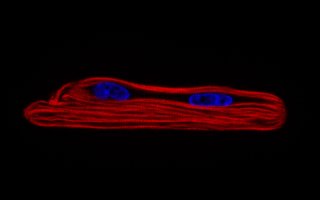
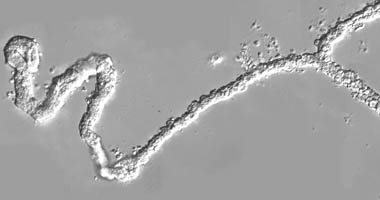
The research focus of the institute is concerned with the study of renal and cardiac ion channels. This research area is of pathophysiological relevance, since an inappropriate regulation of renal and cardiac ion channels may play an important role for the development of diseases, e.g. arterial hypertension or cardiac arrhythmias.
At the institute modern molecular biological and cell physiological methods are being used as well as animal models. The aim of this integrated experimental approach is to investigate the complex interplay of physiological and pathophysiological processes and to understand the molecular basis of disease.
Research Groups
Renal epithelial ion channels (Research group of Prof. Korbmacher)
Cardiac ion channels (Research group of Prof. Volk)
Medical doctoral theses / scientific diploma theses
For committed medical students, we always offer the opportunity to join ongoing projects and then work independently on a specific aspect. Most projects are also suitable as diploma theses for molecular physicians or biologists. For further information, please contact Prof. Korbmacher and Prof. Volk.